
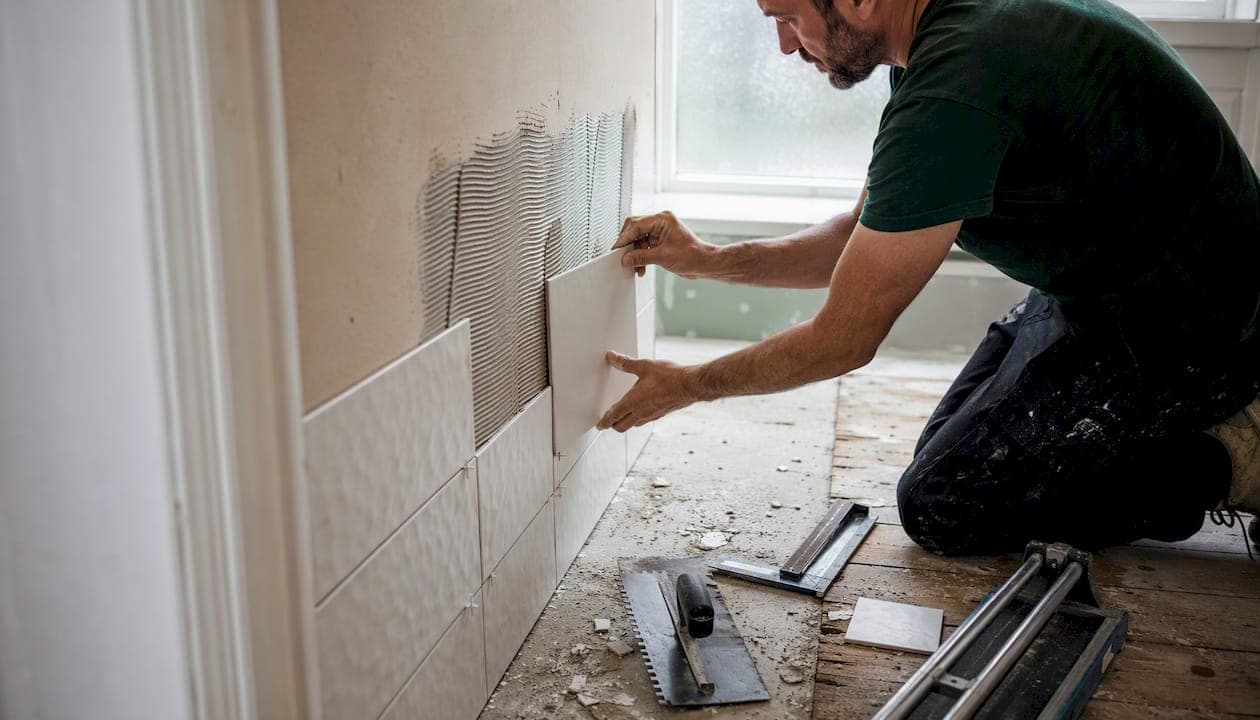
A cosmetic bathroom refresh in the UK typically costs £1,500–£5,000, a mid-range remodel runs £6,000–£15,000, and a full high-end redesign can reach £20,000–£40,000 or beyond. In London, expect a significant premium on labour costs compared to other regions. The single rule that keeps most projects on track: fix your layout, choose your fixtures before work starts, and set aside a contingency of at least 15–20% of your total budget (see).
To make that concrete: a small 3 m² bathroom getting new tiles, a replacement suite and fresh décor can cost several thousand pounds. A medium 5 m² bathroom with a full gut, new plumbing connections and mid-range fixtures typically costs several thousand pounds. A large 8 m² family bathroom with a walk-in shower, underfloor heating and premium tiling can reach £18,000–£30,000 before any structural surprises.
Budgeting rule in one line: Keep the layout, choose every fixture before the first trade arrives, and never treat a contractor's "allowance" as a real price.
Key takeaways
A bathroom renovation in the UK costs £1,500–£40,000+ depending on scope, and the single rule that prevents overruns is fixing your layout and choosing every fixture before the first trade arrives.
| Point | Details |
|---|---|
| Headline UK cost ranges | Cosmetic refresh: £1,500–£5,000; mid-range remodel: £6,000–£15,000; full redesign: £15,000–£40,000+. |
| London labour premium | Expect 20–30% above national rates for labour in Greater London. |
| Labour share of total cost | Labour typically accounts for 40–65% of total project spend — the largest single cost driver. |
| Contingency to hold | Allow 15–20% for a post-1985 home; 20–25% for older properties or known water damage. |
| Allowances are not prices | Treat any contractor allowance as a placeholder; confirm the exact product before signing a quote. |
| Lookdevisservices | Provides itemised, VAT-clear, fully insured bathroom refurbishment and strip-out services across Greater London. |
Table of Contents
- Bathroom renovation costs by project scope in the UK
- What drives the price up most
- Line-by-line cost breakdown for a bathroom renovation
- Hidden extras and how much contingency to allow
- How to build a working budget and compare quotes correctly
- How long a bathroom renovation usually takes
- Does a bathroom renovation add value to your home?
- Practical ways to reduce cost without cutting quality
- Lookdevisservices can manage your bathroom refurbishment from strip-out to finish
- Sources
Bathroom renovation costs by project scope in the UK
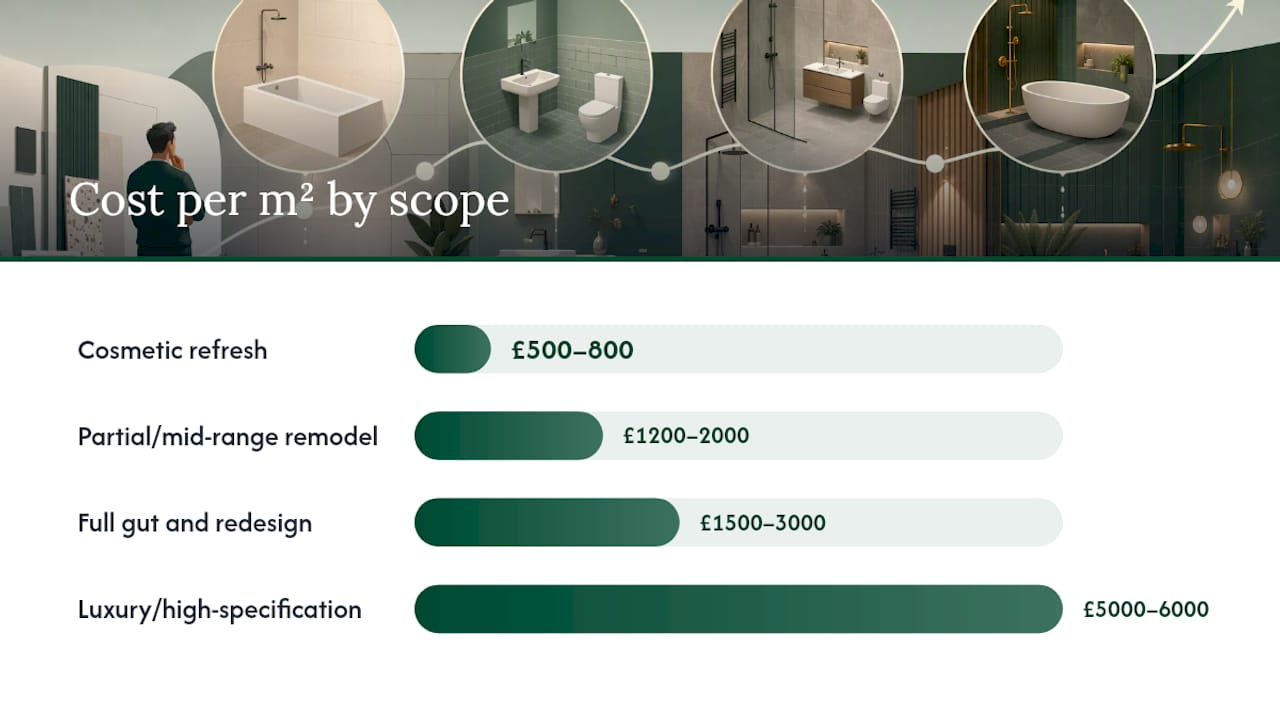
FMB's bathroom renovation cost breakdown confirms that UK project costs split clearly by scope, and the gap between a cosmetic refresh and a full redesign is substantial. Here is how the ranges stack up in practice.
| Project scope | Typical total cost | Cost per m² | VAT included? | Notes |
|---|---|---|---|---|
| Cosmetic refresh | £1,500–£5,000 | £500–£800 | Usually no (check) | New décor, accessories, minor tiling, no plumbing moves |
| Partial/mid-range remodel | £6,000–£15,000 | £1,200–£2,000 | Usually yes on labour | New suite, retiled, updated electrics, layout unchanged |
| Full gut and redesign | £15,000–£20,000 | £1,500–£3,000 | Yes | Full strip-out, new plumbing runs, structural work possible |
| Luxury/high-specification | £20,000–£40,000 | £5,000–£6,000 | Yes | Bespoke fittings, underfloor heating, feature tiling, wet room |
RenoCosts data for 2026 places the national average remodel at around £11,500, with most projects falling between £6,500 and £28,000 depending on room size and finish level. That range maps well onto the UK mid-range and full-gut tiers above.
The London premium is real. Labour rates in Greater London run notably higher than the national average, and some specialist trades — waterproofing contractors, bespoke tile setters — charge even more. A mid-range remodel priced at £10,000 in Manchester or Leeds can easily reach £13,000–£14,000 in Zone 2 London, simply because of travel time, parking costs and higher day rates. If you are in outer London boroughs such as Harrow, Edgware or Barnet, expect rates closer to the inner-London end than the national average.
- VAT at 20% applies to most contractor labour and materials. Some builders quote ex-VAT; always confirm before comparing figures.
- Planning permission is rarely required for a standard bathroom renovation, but listed buildings and conservation areas are exceptions.
- Permitted development rights cover most internal bathroom works, but check with your local authority if you are altering external walls or drainage.
What drives the price up most
Labour is the dominant cost in any bathroom renovation. HammerIO's 2026 breakdown reports that labour commonly accounts for 40–65% of total project costs, which means a £12,000 remodel could carry £5,000–£7,800 in labour alone before a single tile is purchased.
Cost driver callout: Labour at 40–65% of total spend is the figure most homeowners underestimate. Cutting material costs by £500 rarely offsets a single day of additional plumber time.
The five biggest cost levers, in rough order of impact:
- Moving plumbing. Relocating a toilet, basin or shower drain requires rerouting soil pipes and, in many UK homes, lifting floorboards or cutting into concrete. A single toilet move can add several hundred to a few thousand pounds to a project.
- Labour rates and trade availability. Skilled plumbers charge varying hourly rates across UK regions, with generally higher rates in London. Tile setters with experience in large-format or patterned tiles charge a premium on top.
- Material and fixture quality. A standard close-coupled toilet costs £150–£350; a wall-hung version with a concealed cistern runs £500–£1,200 before fitting. The same logic applies to shower enclosures, brassware and vanity units.
- Structural or hidden damage. Rotten joists, failed waterproofing membranes and subfloor damage are common in older UK homes and can add £500–£3,000 once walls and floors are opened up.
- Specialist trades. Waterproofing, underfloor heating installation and bespoke joinery each require separate specialists. Coordinating multiple trades adds both cost and scheduling complexity.
CostPrism's 2026 guide notes that labour costs have risen steadily since 2022, driven by material inflation and a shortage of qualified tradespeople in many UK regions. That trend has not reversed in 2026, so quotes from two or three years ago are no longer a reliable baseline.
Line-by-line cost breakdown for a bathroom renovation
Use this table to build your own estimate or sense-check a quote you have received. Figures are UK market rates for 2026 and include VAT where labour is involved.
Pro Tip: Ask every contractor to separate labour and materials in their quote. A single lump-sum figure makes it impossible to compare quotes fairly or spot where one contractor is cutting corners on materials versus another.
Plumbers typically charge a day rate of £250–£500 in most UK regions, rising to £400–£700 in London. Electricians run slightly lower at £200–£400 per day nationally. Tile setters vary most: a straightforward grid-pattern job costs less, but a large-format porcelain or herringbone layout can double the labour time per square metre.
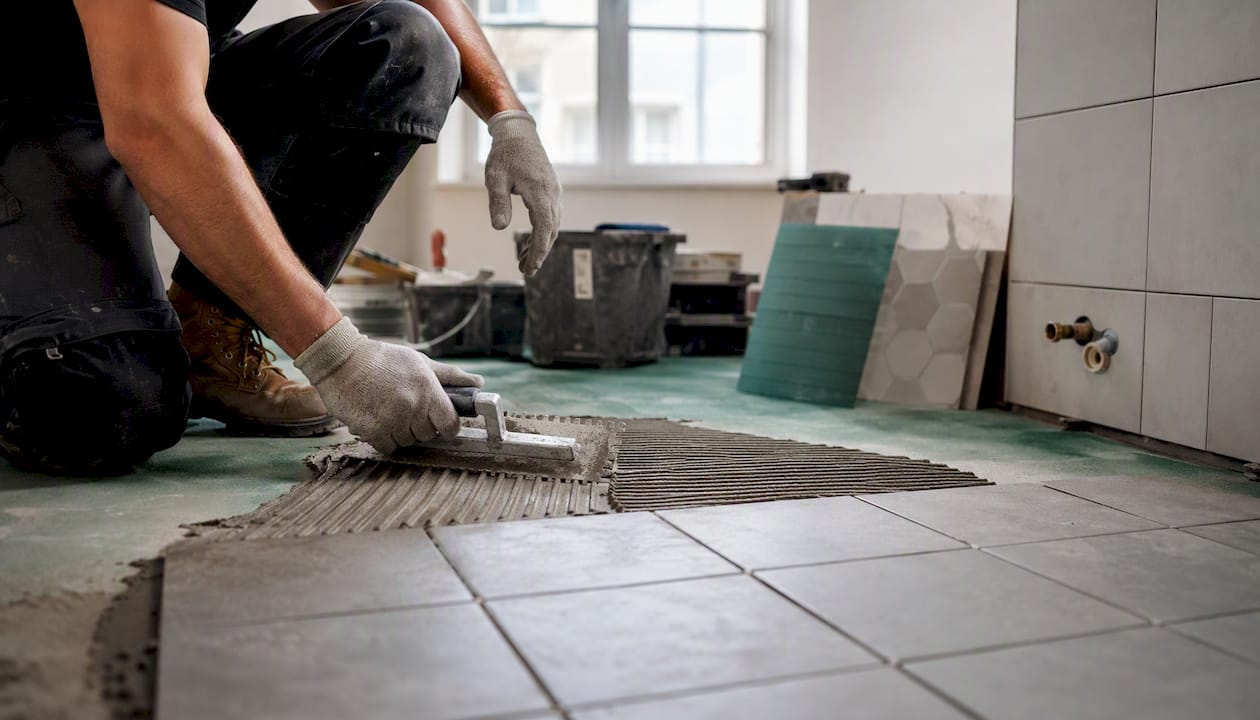
Pro Tip: Standard 300×600 mm or 600×600 mm tiles cut faster and waste less than large-format 1200×600 mm slabs. Choosing a standard size over a bespoke format can save £200–£500 in tile-setter time on a typical family bathroom.
As Sofi's budgeting guide highlights, contractor "allowances" for fixtures are one of the most common causes of budget overruns. An allowance of £300 for a basin and tap set sounds reasonable until you discover the contractor assumed a basic pedestal basin and you wanted a countertop vessel. Always confirm whether a quoted allowance covers the exact product you have chosen, not a placeholder.
Hidden extras and how much contingency to allow
Most bathroom projects uncover at least one unplanned cost once walls and floors are opened. In older UK homes built before the 1980s, the probability is higher still.
Common hidden costs to budget for:
- Subfloor damage. Wet rooms and leaking baths cause rot in timber joists. Replacing a section of subfloor adds £300–£1,500 depending on extent.
- Joist replacement. Severe rot or insect damage may require structural joist work, which can trigger a building control notification.
- Mould remediation. Surface mould is cosmetic; mould behind tiles or inside stud walls requires treatment and often replastering, adding £200–£800.
- Asbestos. Artex ceilings and floor tiles in homes built before 1985 may contain asbestos. A licensed removal contractor charges £500–£2,000 for a bathroom-sized area, and work cannot proceed until removal is certified.
- Remedial plumbing or rewiring. Outdated pipework (lead or early plastic) or non-compliant electrics discovered during strip-out must be brought up to current Building Regulations before the project can continue.
- Extended lead times on bespoke items. A custom vanity or a specific tile that is out of stock can delay a project by four to eight weeks, extending your disruption period and sometimes triggering additional day-rate charges.
Pro Tip: Build your contingency as a separate line in your budget, not a mental note. If you do not spend it, it becomes a bonus; if you do, you avoid a stressful mid-project conversation with your contractor.
A practical contingency recommendation: 15% for a straightforward cosmetic or mid-range project in a post-1985 home; 20% for a full gut in a pre-1980 property; and 25% if you know there is existing water damage or the property has not been renovated in over 20 years.
Checklist: what to insist the contractor checks during demolition
- Condition of subfloor and joists before new floor covering goes down
- Presence of any artex or floor tiles that may contain asbestos (test before removal)
- Condition of existing soil pipe and waste connections
- Whether existing electrical circuits meet Part P of the Building Regulations
- Condition of existing waterproofing membrane (or confirm none exists)
- Any evidence of active damp or previous water ingress behind tiles
How to build a working budget and compare quotes correctly
Turning a headline range into a number you can actually defend takes six steps.
- Measure the room accurately. Floor area in m², ceiling height, and the position of existing soil pipe and waste connections all affect what trades will quote.
- Define the scope in writing. Decide before you call anyone: are you keeping the layout, moving the shower, adding underfloor heating? Scope creep after work starts is the fastest route to a blown budget.
- Choose your finish grade. Budget, mid-range or high-specification? Pick a tier and stick to it. Mixing a budget suite with premium tiling creates inconsistency and rarely saves money overall.
- Select fixtures before requesting quotes. Choose your WC, basin, bath or shower tray, taps and tiles before you ask for prices. This forces contractors to quote on the same specification and eliminates allowance guesswork.
- Add your contingency as a hard line. 15–20% on top of the quoted total, held separately.
- Get at least three itemised quotes. Not three lump sums — three line-by-line breakdowns covering the same scope.
What to demand in every written quote:
- Itemised labour by trade (plumber, electrician, tile setter, labourer)
- Materials listed by product name or specification, not just "tiles" or "suite"
- Waste removal and skip costs (or confirmation they are excluded and you arrange separately)
- VAT treatment stated clearly (ex-VAT or inclusive)
- Project timeline with start date and estimated completion
- Proof of public liability insurance and, where relevant, Gas Safe or NICEIC registration
- Payment schedule tied to milestones, not calendar dates
Comparing quotes fairly: match scope line by line before comparing totals. A quote that looks £1,500 cheaper may exclude waste removal (£400–£600), use allowances for fixtures rather than fixed prices, or omit waterproofing. Add your contingency to the lower quote before deciding it is the better deal. HGTV's budgeting guidance reinforces the same point: selecting materials before work starts is the single most effective way to prevent figures from ballooning once the project is underway.
How long a bathroom renovation usually takes
Bespoke items are the most common cause of delays. A made-to-measure vanity unit or an imported tile with a six-week lead time will push your entire project back if it is not ordered before work starts. Order long-lead items the moment your design is fixed, not after the contractor has begun strip-out.
Asbestos removal adds a mandatory pause: licensed contractors must complete and certify removal before any other trade can re-enter the space. Allow one to two weeks for testing, removal and clearance certification if asbestos is suspected.
For homeowners with a single bathroom, the disruption is significant. Discuss temporary facilities with your contractor before work starts. Some London contractors can sequence trades to restore a functioning WC within 48 hours of strip-out, even if the full project runs for weeks.
Does a bathroom renovation add value to your home?
A well-executed bathroom renovation improves saleability more reliably than it delivers a pound-for-pound return on investment. CostPrism's 2026 cost and ROI analysis notes that mid-range bathroom remodels tend to recoup a meaningful share of their cost at resale, though the exact figure varies by market and property type.
ROI callout: Industry estimates for mid-range bathroom remodels typically place cost recoupment at 60–70% at resale. A luxury remodel in a property that does not support the price point may recoup considerably less.
Where bathroom spend improves buyer appeal most:
- Replacing a visibly dated or poorly maintained suite in a property otherwise in good condition
- Adding a second bathroom or en suite to a three-bedroom-plus home with only one bathroom
- Fixing functional problems (poor ventilation, leaking shower, inadequate storage) that buyers would otherwise negotiate on
Where homeowners commonly overspend relative to return:
- High-specification fittings (designer brassware, bespoke stone) in a property priced below the top 20% of its local market
- Luxury wet rooms in small terraced houses where the room size limits the impact
- Underfloor heating in a property where the rest of the house has no comparable specification
The practical rule: spend to the level of the property, not beyond it. A £30,000 bathroom in a £250,000 house is unlikely to add £30,000 to the sale price. The same spend in a £700,000 house is far more defensible.
Practical ways to reduce cost without cutting quality
Keeping the existing layout is the single most effective cost-saving decision available. Every plumbing connection you move adds labour, materials and risk. Every connection you keep saves all three.
Proven savings that do not compromise the result:
- Keep the layout. Retain existing WC, basin and bath/shower positions wherever possible.
- Reuse sanitaryware in good condition. A bath that is structurally sound and not visibly damaged can be resurfaced for £200–£400 rather than replaced for £600–£2,000.
- Choose standard tile sizes. 300×600 mm or 600×600 mm formats are widely stocked, cut faster and waste less than large-format or bespoke tiles.
- Buy stock vanity units. Off-the-shelf units from established suppliers cost a fraction of bespoke joinery and are often indistinguishable once fitted.
- Phase the work. If budget is tight, retile and replumb in year one; upgrade fixtures and add underfloor heating in year two. Phasing spreads cost without compromising quality.
- Order fixtures early. Buying sanitaryware and tiles before work starts lets you take advantage of sale pricing and avoids the premium that comes with urgent orders.
When DIY makes sense: painting, accessory fitting, and minor decorating are genuinely low-risk DIY tasks that can save £150–£400. Tiling a small splashback is manageable for a competent DIYer.
When DIY is a false economy: plumbing, electrical work, and waterproofing all require certified tradespeople under UK Building Regulations. Non-compliant work can invalidate home insurance, fail a buyer's survey, and cost more to rectify than the original saving.
Negotiation tactics with trades:
- Offer a firm start date and a clear, written scope — contractors price uncertainty into their quotes
- Ask whether they have a gap in their schedule that your project could fill (off-peak slots sometimes attract a small discount)
- Tie payment milestones to completed stages, not calendar dates, which protects you and gives the contractor a clear incentive to progress
The honest truth about bathroom budgets
Most homeowners underestimate their bathroom renovation budget not because they chose the wrong tiles, but because they started the conversation with trades before they had made any decisions. A contractor asked to quote on a "mid-range bathroom" without a fixed suite, a tile specification, or a confirmed layout is quoting on a concept, not a project. The allowances they insert are placeholders, and placeholders almost always cost more than the real item once you have chosen it.
The habit that makes the biggest difference is deceptively simple: choose every fixture, tile, and fitting before you request a single quote. Not a shortlist. Not "something like this." The exact product, the exact size, the exact finish. Then ask three contractors to price the same list. The quotes become comparable, the allowances disappear, and you have a real number to work with.
Managing multi-trade projects in London, Lookdevisservices sees this pattern repeatedly: the projects that stay on budget are the ones where the homeowner arrived with a complete specification. The ones that run over are almost always the ones where decisions were deferred to "once the work starts." By then, the contractor's leverage is at its highest and your options are at their narrowest.
Insist on itemised quotes, hold your contingency separately, and treat any lump-sum figure as a conversation starter, not a final price.
Lookdevisservices can manage your bathroom refurbishment from strip-out to finish
Planning a bathroom renovation in London means coordinating plumbers, electricians, tile setters, and waste removal — often across weeks of scheduling. Lookdevisservices simplifies that by acting as a single point of contact for the full scope of building refurbishment work, from initial strip-out and licensed waste clearance through to finished trades.

Every Lookdevisservices quotation is itemised by trade and task, states VAT treatment clearly, and includes a project timeline with milestone-based payment stages. The team is fully insured, and all specialist trades hold the relevant certifications — Gas Safe, NICEIC, and licensed waste carrier status for strip-out and disposal. With over 50,000 customers served across Greater London and more than a decade of multi-trade project experience, Lookdevisservices brings the coordination discipline that keeps bathroom projects on time and on budget. To request a fixed, itemised quote and arrange a site visit, contact Lookdevisservices directly via the building refurbishment page or check service areas across London to confirm coverage for your postcode.
Sources
The figures and guidance in this article draw on the following sources. Each is worth checking directly for regional calculators, scope-specific breakdowns, or the most current data.
- Bathroom renovation costs: a cost breakdown
- Bathroom Remodel Cost — $11,500 Avg by State (2026)
- Bathroom Remodel Cost Guide 2026: Full Breakdown by Scope, Materials & State | CostPrism
- How Much Does a Bathroom Remodel Cost? 2026 Budget Breakdown
- How to remodel your bathroom (advice on budgeting and allowances)
For precise local figures, use regional cost calculators from the FMB or your local trading standards office, and always cross-reference with at least three itemised quotes from insured, registered tradespeople in your area.