
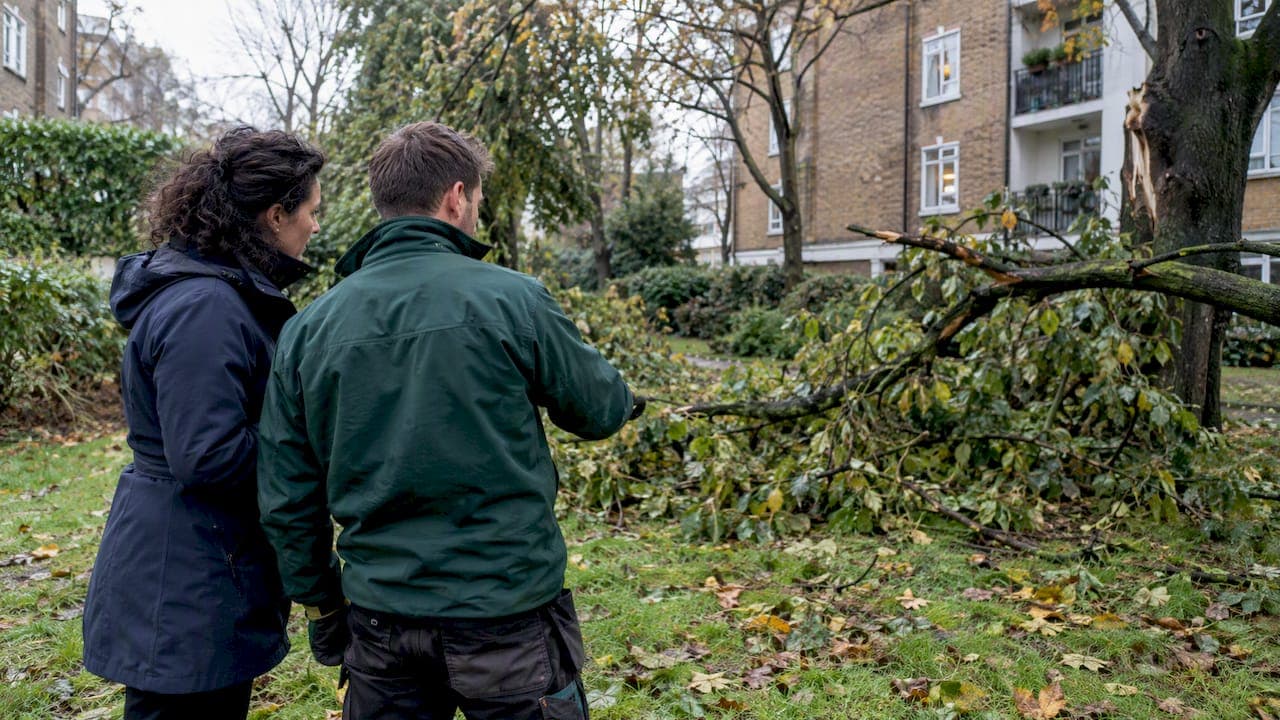
For London property owners and managers, hiring a single insured property maintenance team saves time and reduces risk. We recommend requesting a free quote or same-day attendance from a provider such as LookDeVis Services for jobs spanning gardens, waste removal, pressure washing, tree work and minor refurbishment, all coordinated through one point of contact rather than several separate traders.
TL;DR:
- If the same issue prompts more than one or two reactive callouts in a year, add planned maintenance and keep emergency cover.
- Before work starts, verify insurance, waste carrier registration, and Gas Safe credentials where relevant, then request written scope, costs, timing, and waste transfer documentation.
- Landlords must arrange annual gas checks and ensure smoke alarms are fitted; disruptive work requires asbestos surveys, while protected trees may need pruning approval.
- Schedule quarterly exterior checks and monthly garden visits during the growing season, with gutter and drainage checks before wet weather.
- Give occupants advance written notice with a clear time window, and coordinate shared access before work to prevent missed visits and repeated disruption.
Table of Contents
- What property maintenance covers: a concise services overview
- Reactive vs planned maintenance: when to choose each
- Typical services explained: what a quote should include
- How to pick a reliable property maintenance provider
- Costs and timelines: what to budget for common jobs
- Compliance and safety essentials to check before work starts
- Tips for scheduling regular maintenance to prevent costly repairs
- Seasonal maintenance tasks specific to London properties
- How weather in London affects property maintenance needs
- Coordination and communication with tenants or occupants during maintenance
- Environmental considerations and sustainable practices in property maintenance
- Why a coordinated, insured provider works best for busy owners and managers
- Get a free quote or same-day attendance from LookDeVis Services
- FAQ
- Sources
What property maintenance covers: a concise services overview
Property maintenance in London spans far more than fixing what breaks. A supplier handling the full scope typically covers:
- Reactive repairs: urgent fixes for leaks, broken fencing, storm damage or blocked drainage
- Planned preventative maintenance (PPM): scheduled visits that catch problems before they become expensive
- Gardening and landscaping: lawn care, hedge trimming, planting, patios, decking and turfing
- Waste removal: garden clearance, house clearance and builders waste collection
- Pressure washing: driveways, patios and selected roof surfaces
- Tree surgery: pruning, crown work and emergency tree removal
- Building refurbishment: bathroom and kitchen refreshes, painting, flooring and plastering
Bundling these services under one contractor removes a common headache for landlords and managers: chasing multiple trades, comparing separate invoices and coordinating access for several different vans on several different days. When one team handles the garden, the waste collection and the exterior cleaning, scheduling becomes simpler and accountability is clearer.
Before booking, check for a few trust signals on any supplier's site: confirmation of insurance cover, a licensed waste carrier registration, and Gas Safe credentials where gas appliances are involved. These details separate an established property services business from a one-person operation working without proper cover.
Reactive vs planned maintenance: when to choose each
Deciding between an emergency call-out and a scheduled plan depends on the nature of the problem and how predictable it is.
- Reactive maintenance addresses faults as they happen: a fallen branch blocking access, a burst pipe, storm-damaged fencing or an overgrown garden that has become a safety hazard. These jobs need prompt attendance, and same-day availability is often the deciding factor when choosing a contractor.
- Planned preventative maintenance covers scheduled visits, such as quarterly gutter checks, seasonal garden tidy-ups or annual gas safety inspections, designed to catch small issues before they turn into costly repairs.
- The switch point: if you have called out reactive repairs more than once or twice in a year for the same type of issue, that is usually the signal to move onto a structured maintenance plan rather than continuing to react.
Landlords with multiple properties, or managers overseeing commercial sites, generally find that a mix of both works best: a standing PPM schedule for predictable tasks, with reactive cover held in reserve for genuine emergencies.
Typical services explained: what a quote should include
Understanding what sits inside each service category helps you judge whether a quote is realistic.
Gardening and landscaping: a routine maintenance visit typically covers lawn mowing, hedge trimming, weeding and general tidying. A garden clearance is a different scope entirely, removing overgrown vegetation, shrubs, fallen branches and accumulated debris, often as preparation before landscaping, a sale or a new tenancy. Artificial grass installation involves removing the existing lawn, preparing the ground, laying a sub-base and fitting the turf system, a different job again from simple lawn care.
- Waste removal should always be handled through a registered waste carrier, with a waste-transfer note recording the carrier, the waste description and the destination
- Pressure washing suits driveways, patios and some roofing, but existing cracks or loose paving can become more visible once the surface is clean
- Tree surgery ranges from routine crown reduction to emergency removal of storm-damaged limbs, and larger works may be affected by tree preservation orders
- Building refurbishment commonly covers bathroom and kitchen refreshes, painting and plastering, though loft conversions and extensions can fall under permitted development or require full planning permission depending on scale
Certain tasks legally require certified trades: gas work needs a Gas Safe registered engineer, and electrical inspections require a qualified electrician issuing an EICR.
Pro Tip: Ask for the waste-transfer note reference before work begins, not after, so you have proof of lawful disposal on file.
How to pick a reliable property maintenance provider
A few checks before booking protect you from poor workmanship and from legal liability further down the line.
- Ask to see public liability and employer's liability insurance certificates
- Request the waste carrier registration number and check it against the Environment Agency's public register
- Confirm Gas Safe registration for any gas-related work and ask for the engineer's licence number
- Request a written quote that breaks down scope, materials, estimated timeline and how additional costs are handled
- Ask how waste will be disposed of and whether a transfer note will be provided
- Treat reluctance to confirm qualifications or waste-handling arrangements as a warning sign
A legitimate provider will answer these questions without hesitation and put the detail in writing rather than relying on a verbal agreement.
Costs and timelines: what to budget for common jobs
Pricing for property maintenance varies with property size, access and condition, so treat the following as indicative starting points only, always confirmed with a written quote before work begins.
- A single lawn mowing visit typically starts from a modest fixed fee, scaled to garden size
- Garden clearance pricing depends on the volume of waste and ease of access
- Pressure washing a driveway is usually quoted per job based on surface area
- A small reactive repair call-out often carries a fixed attendance fee plus materials
Maintenance contracts are commonly structured as pay-per-visit, block-hours arrangements, monthly retainers or annual PPM agreements. Pay-per-visit suits homeowners with occasional needs, while monthly retainers and annual PPM plans tend to suit landlords and commercial managers running multiple properties. Emergency call-outs are generally prioritised for same-day or next-day attendance, while scheduled works are booked around a confirmed visit date.
Compliance and safety essentials to check before work starts
Several legal duties directly shape which contractor you can use and what checks they must carry out.
- Landlords must keep a rented property safe and in repair, arrange annual gas safety checks and ensure smoke alarms are fitted, as set out in Gov
- Dutyholders must manage asbestos risk and arrange a refurbishment or demolition survey before disruptive works, as HSE guidance on asbestos explains
- Waste from maintenance work must go through a registered carrier, with a transfer note kept as evidence of lawful disposal
- Larger or protected trees may fall under a tree preservation order, which needs checking before any pruning or removal work begins
New enforcement powers for London landlords took effect on 27 December 2025, and 14% of privately rented homes in London failed to meet the Decent Homes Standard in 2021, a gap that routine maintenance and documented compliance checks help close.
Tips for scheduling regular maintenance to prevent costly repairs
Spreading maintenance across the year, rather than waiting for something to fail, is the single most reliable way to control costs over time.
Start by mapping out the recurring tasks your property needs: gutter checks, gas safety inspections, garden tidy-ups and exterior cleaning, then set a realistic frequency for each. Quarterly visits suit most external checks, while gardens often need monthly attention during the growing season and less in winter.

Keep a simple log of what was done and when, even a basic spreadsheet works, so you can spot patterns such as a recurring damp issue or a hedge that always needs cutting back twice a season. This record also helps when you need to demonstrate compliance to a tenant, buyer or local authority.
Booking a standing slot with one provider, rather than calling around each time something is due, tends to secure better availability and avoids the scramble that happens when several jobs become urgent at once. Many landlords find that grouping smaller tasks into a single visit, for example combining a garden tidy with a pressure wash of the patio, reduces both cost and disruption compared with booking them separately.
Finally, build in a buffer for the unexpected. Even a well-maintained property can throw up a surprise, a cracked pipe, a storm-damaged fence panel, so keeping a relationship with a provider who offers same-day attendance for genuine emergencies means you are never left waiting when something does go wrong.
Seasonal maintenance tasks specific to London properties
London's housing stock, much of it Victorian or Edwardian terraces alongside newer flats and purpose-built blocks, tends to respond well to a seasonal maintenance rhythm rather than a one-size-fits-all schedule.
Spring is the time for lawn preparation, planting and clearing anything winter left behind: dead growth, fallen branches and waterlogged borders. It is also a sensible point to check guttering and roof surfaces for debris accumulated over the colder months.
Summer brings the heaviest gardening workload: regular lawn mowing, hedge trimming and weed control, alongside exterior cleaning while dry weather makes pressure washing more practical and faster drying.
Autumn is dominated by leaf clearance, which in a city with mature street trees and garden canopy can be a near-constant task from October through to late November. This is also the season to schedule hedge cutting before growth slows for winter and to arrange any tree pruning while branches are easier to assess.
Winter maintenance shifts towards structural checks: fencing repairs after wind damage, drainage clearance ahead of heavy rain, and confirming that gas safety checks and smoke alarm tests are current before the heating season puts systems under full load. Terraced and semi-detached properties with shared boundaries often need coordinated timing for fencing and hedge work, since access and responsibility can span more than one household.
How weather in London affects property maintenance needs
London's weather pattern, generally temperate but increasingly prone to intense rainfall and occasional storms, creates specific maintenance pressures that differ from drier or more exposed parts of the country.
Heavy rainfall is the most consistent challenge. Poor drainage around paved areas, blocked gutters and overwhelmed soakaways can lead to standing water, damp penetration and, over time, structural damage if left unaddressed. Regular gutter clearance and drainage checks matter more in a wet autumn or winter than almost any other single maintenance task.
Storms bring a different risk: fallen branches, damaged fencing and loosened roof tiles, which is why same-day availability for tree work and fencing repairs tends to see higher demand immediately after severe weather warnings. Urban tree cover, dense in many London boroughs, means storm damage is rarely limited to a single property.
Periods of dry weather, while less disruptive, bring their own tasks: lawns need different care under drought stress, and pressure washing is more effective and faster to carry out when surfaces are not already saturated. Painting and exterior decorating work is also best scheduled around settled dry spells, since damp conditions affect how well paint and coatings cure.
Because London's weather can shift quickly between these extremes within a single season, a maintenance plan with some built-in flexibility, rather than a rigid fixed schedule, tends to hold up better over a full year.
Coordination and communication with tenants or occupants during maintenance
Clear communication with tenants or occupants is one of the most overlooked factors in smooth property maintenance, and one of the most common sources of friction when it is missed.
Giving advance notice of any visit, even a routine garden tidy, allows tenants to plan around access, move vehicles or secure pets. For works that affect use of the property, such as pressure washing a shared driveway or refurbishment inside a flat, written notice with a clear time window reduces the chance of a missed appointment or a frustrated occupant.
Where multiple units share outdoor space, such as a block of flats with a communal garden, coordinating a single visit date across all occupants avoids repeat disruption and makes the job more efficient to schedule. For larger refurbishment projects, a short written summary of what will happen, how long it will take and which areas will be affected helps manage expectations from the outset.
Landlords and managers also benefit from keeping a simple record of what was communicated and when, particularly for compliance-related works such as gas safety checks, where tenants have a right to see the resulting certificate. A provider who confirms appointments clearly and keeps to agreed time windows makes this part of the job considerably easier to manage, especially across a portfolio of several properties.
Environmental considerations and sustainable practices in property maintenance
Sustainable choices in property maintenance increasingly matter to both owners and occupants, and several practical steps make a measurable difference without adding significant cost.
Green waste from garden clearance and maintenance can often be composted or processed for reuse rather than sent to landfill, and checking how a contractor handles this waste stream is worth asking about directly. Choosing drought-tolerant planting and low-maintenance lawn alternatives, including artificial grass where appropriate, reduces water use over the growing season, a relevant consideration given London's periodic hosepipe restrictions during dry summers.
Pressure washing with controlled water use and appropriate run-off management protects nearby drains and watercourses from detergent or debris contamination. For refurbishment work, specifying water-based paints and sustainably sourced timber for fencing or decking reduces the environmental footprint of the project without compromising on finish.
Tree work also carries an environmental dimension: retaining mature trees wherever safely possible supports local biodiversity and urban cooling, and any removal should be weighed against these benefits alongside the safety case for the work. Where removal is unavoidable, replanting as part of the same project is a straightforward way to offset the loss.
None of these steps require a wholesale change in approach, but choosing a provider who already builds them into standard practice, rather than treating them as an optional extra, tends to produce better outcomes for the property and its surroundings over time.

Why a coordinated, insured provider works best for busy owners and managers
Running a property, or several, means juggling trades, chasing paperwork and hoping everyone turns up when promised. A single coordinated team handling gardens, waste, pressure washing and minor refurbishment removes that friction: one point of contact, one schedule, one set of credentials to check. We offer free quotes and same-day availability where the job allows. The sensible next step is a site visit and a written quote.
— Roman
Get a free quote or same-day attendance from LookDeVis Services

Whatever the job, from a regular garden tidy to a full property refresh, we can put together a written quote once we understand the scope, access and timing you need. We operate as a fully insured team and licensed waste carrier, so disposal and liability are handled properly from the first visit.
- Garden maintenance in Pinner
- Waste removal and clearances in Harrow
- Pressure washing in Harrow
- Tree surgery in Harrow
- Landscaping services in London
After you get in touch, expect a site visit, a written quote covering scope and materials, and a proposed schedule before any work begins. Request a free quote to get started.
FAQ
What does a property maintenance service in London typically include?
Property maintenance typically covers gardening, landscaping, waste removal, pressure washing, tree surgery and building refurbishment, delivered either as one-off jobs or scheduled visits. Many landlords and managers bundle several of these under one provider to simplify coordination and reduce the number of separate contractors involved.
What do property maintenance people actually do day to day?
Property maintenance teams carry out a mix of reactive repairs, such as fixing fencing or clearing blocked drains, and planned preventative work, such as routine garden upkeep or seasonal gutter checks. The exact mix depends on the property type and whether a maintenance plan or one-off visits have been arranged.
How do I find a reputable property maintenance company in London?
Check for confirmed insurance cover, a licensed waste carrier registration verifiable on the Environment Agency register, and Gas Safe credentials for any gas-related work. A reputable provider will put scope, materials and pricing in a written quote before starting any job.
Do I need planning permission for a loft conversion or extension?
Many loft conversions and single-storey rear extensions fall under permitted development rights, subject to volume and height limits set out by the Planning Portal. Local restrictions such as Article 4 directions can remove these rights in some areas, so checking with your local planning authority before work begins is worthwhile.
What should a legitimate maintenance quote include?
A proper quote should break down the scope of work, materials, estimated timeline and how additional or unforeseen costs will be handled. It should also confirm how waste will be disposed of and provide a waste-transfer note once work is complete, along with any relevant trade qualifications for gas or electrical work.
Sources
Recommended
- Duty Aware London Maintenance Checklist: Gas Safe, EICR, Asset Register
- Start Work in 2 Days: Building Regulations Approval for Greater London
- Party Wall Agreement UK: When You Need One and How to Comply
Prices, timescales and information provided in this article are for general guidance and may vary depending on the property, site conditions, materials and scope of work. Please contact LookDeVis Services for an individual assessment and quotation. Where regulatory, planning or legal requirements apply, appropriate professional advice should be obtained.